How Homeowners Association Landscaping Should Work When the Board Is Tired of Chasing Contractors
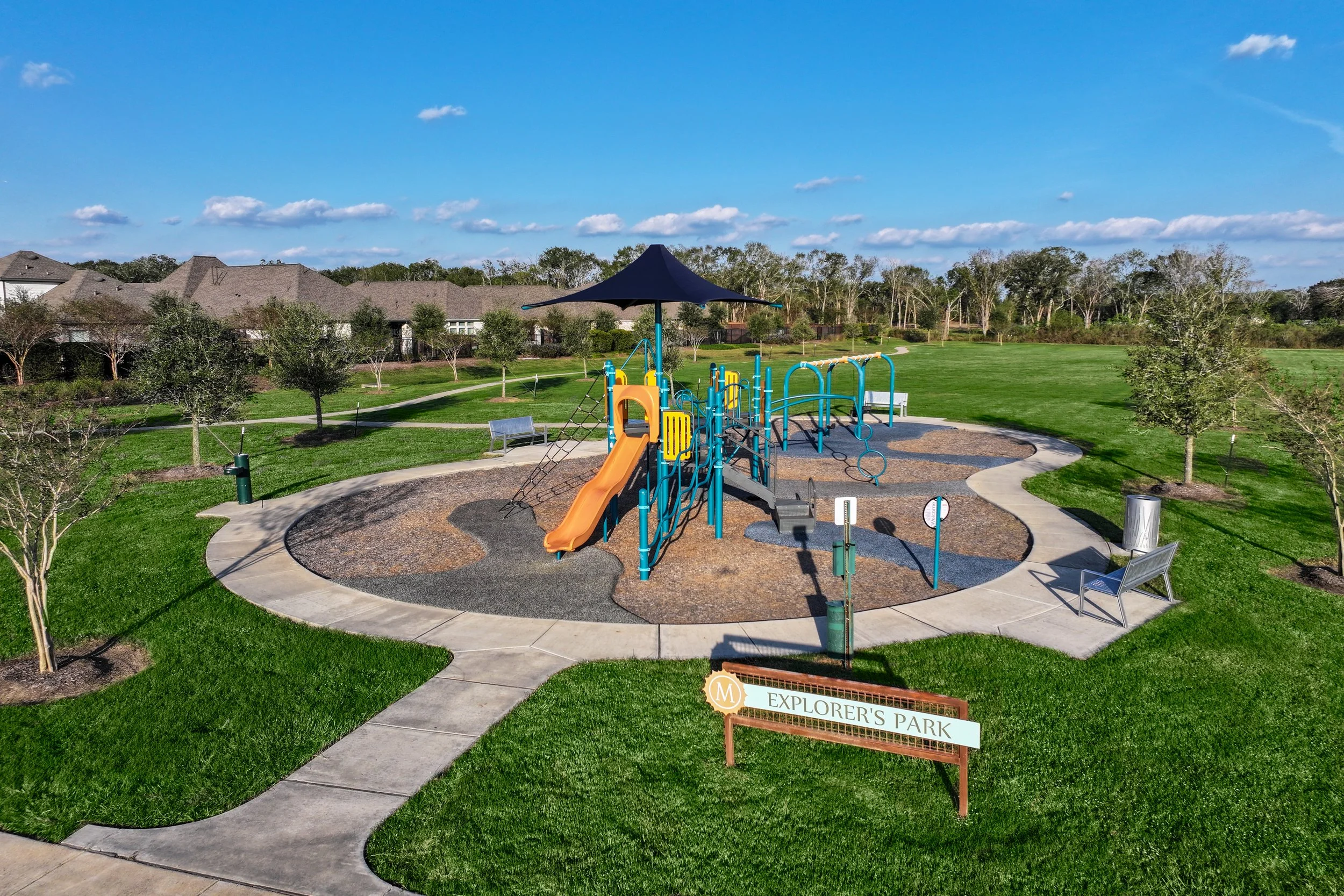
The complaints arrive at the board meeting like clockwork. The common areas look uneven. The entrance plantings are dying. The mowing crew skipped a week and nobody communicated why. The irrigation is running during a rainstorm. And the board members, who volunteered for this, are spending their evenings fielding emails about landscape issues that a professional provider should be handling.
This is what homeowners association landscaping looks like when the provider treats the contract as a task list rather than a responsibility. The mowing happens. Mostly. The mulch shows up. Eventually. But the proactive management, the communication, the accountability, and the standards that the community expects are absent.
What Homeowners Association Landscaping Actually Requires
An HOA landscape is not a residential lawn multiplied by fifty. It is a managed asset with stakeholders, budgets, seasonal demands, and a visual standard that affects property values, resident satisfaction, and the board's credibility.
The provider managing that asset needs to deliver:
Consistent service on a published schedule with documented visit records that the board can review without having to ask for them
Proactive communication that alerts the board to issues before residents report them, including irrigation failures, plant health decline, storm damage, and seasonal transition needs
A turf management program that addresses fertilization, weed control, aeration, and overseeding on a timeline designed for the region, not a generic calendar
Planting replacements and seasonal color rotations planned and budgeted in advance rather than handled as emergency expenses after the beds look bare
Irrigation monitoring that prevents both overwatering and underwatering, adjusts for weather conditions, and identifies system failures before they create dead zones in the turf or the beds
These are operational requirements. They are the baseline for a homeowners association landscaping program that keeps the property looking the way the residents expect it to look and keeps the board out of the complaint management business.
Why the Provider's Infrastructure Matters
A landscaping company that services a few residential accounts and picks up an HOA contract to fill the schedule will struggle with the scope, the reporting, and the communication demands that association management requires. The crew may do good work. But the administrative support, the account management, and the systems for documentation, billing, and issue tracking are not built for the complexity of a multi acre, multi stakeholder property.
Providers with operational infrastructure behind them, whether that is an in house management team or a partnership model that handles the administrative load, deliver the consistency that boards need. The crew shows up on schedule. The reports are generated automatically. The account manager answers the phone. And the board spends its meetings talking about community improvements rather than landscape complaints.
What the Right Program Looks Like in Practice
In the Houston area, where the growing season is nearly year round and the heat, humidity, and storm exposure create constant demands on turf and plantings, homeowners association landscaping is not something that can be managed passively. The turf grows fast. The weeds grow faster. The irrigation runs hard. And the expectations from residents who see the common areas every single day are relentless.
The communities that look the best are the ones where the board stopped looking for the cheapest bid and started looking for the most capable partner. That distinction is where the complaints end and the compliments begin.