
Commercial Tree Services in Sugar Land, TX: Building a Documented Arbor Program
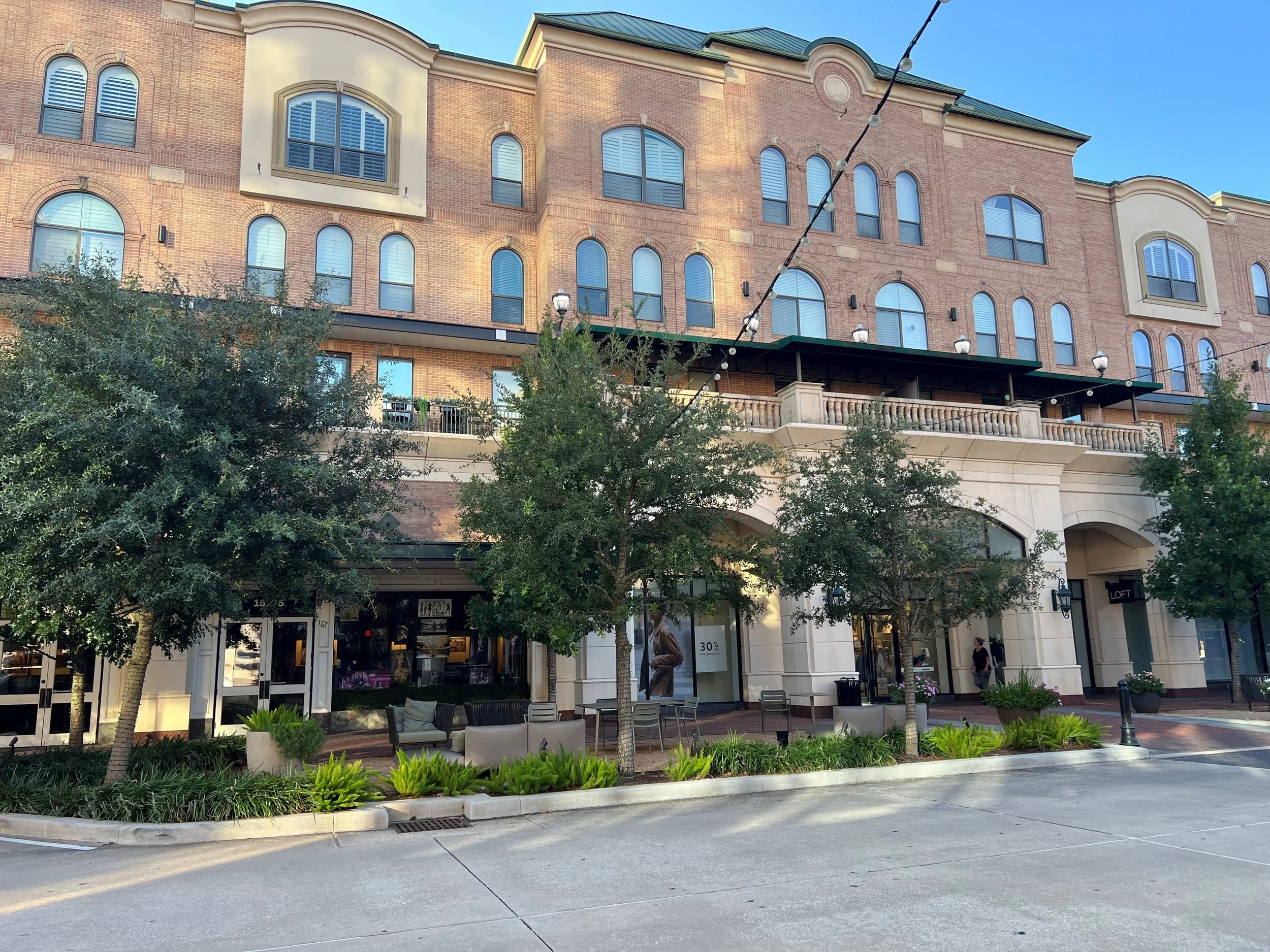
Trees are the slowest asset on a commercial property to replace and the fastest to become a liability. Commercial tree services in Sugar Land, TX earn their place in a budget through documentation: what was inspected, what was found, what was pruned and when.
Our arbor crews work to a schedule and leave a record, because a property manager answering an owner or an insurer needs the record more than the reassurance.
Ethoscapes runs arbor work through a dedicated division rather than as an add-on to a mowing crew, staffed by ISA-certified arborists trained in tree health assessment, structural risk evaluation and canopy management.
At peak season the company fields more than 500 crew members across the Greater Houston Area, and every division reports through one platform so tree work coordinates with maintenance, irrigation and erosion control on the same property.
Related: Commercial Tree Care Company in Sugar Land, TX: Protecting Your Property's Most Valuable Assets
How Often Should Trees on a Commercial Property Be Inspected?
An annual inspection cycle suits most portfolios, with a second look before hurricane season on properties carrying mature canopy over parking, walkways or building envelopes.
Growth rates on the Gulf Coast make a two-year gap long enough for a structural defect to develop into a failure point.
Our commercial arbor services set the cadence per site, and the inspection dates land in the same calendar as the rest of the grounds work, so a manager reviews one schedule rather than a separate tree vendor's.
What Belongs in a Written Tree Risk Assessment?
A useful assessment names the tree, its location, its condition, the defects observed and the recommended action with a priority level. Photographs matter, and so does the date.
Boards and owners reviewing a capital plan need to see which items were flagged, which were completed and which remain open. We issue assessments in that form so a manager holds an auditable trail rather than a verbal summary that ages badly between budget cycles.
Managers inheriting a property with no history usually start with a baseline survey, and we scope that work separately.
Who Carries Liability When a Tree on Commercial Property Fails?
Owners and managers are generally expected to exercise reasonable care over hazards they know about, which makes a documented inspection history the practical record that care was exercised on a schedule.
A property with no inspection record and a failed limb over a tenant's vehicle sits in a materially worse position than one holding a dated assessment and a completed work order. Landscaping for property managers is largely about producing that evidence as a routine output.
Related: How Commercial Lawn Care in Harris County, TX, Improves Day-to-Day Property Appearance
Do You Need Approval to Remove or Heavily Prune a Tree in Sugar Land?
City of Sugar Land ordinance requires property owners, residents and businesses alike to trim trees where the public right of way is affected, and the Public Works Department inspects trees every three years for compliance with the Tree Trimming Ordinance.
Requirements differ for trees inside a development's own landscape reserves and for those in the right of way, so we confirm the applicable rule per address before scheduling a removal or a heavy reduction. Commercial properties across Houston each carry their own municipal detail.
How Quickly Should a Crew Mobilize After a Storm Across a Portfolio?
The Atlantic hurricane season runs June 1 through November 30, which is why arbor programs here are structured around pre-season structural pruning and deadwood removal plus a defined post-storm response window.
Scale is the real variable. Hurricane Beryl in July 2024 affected roughly half of the Houston area's urban trees according to the Texas A&M Forest Service, and in an event of that size the access route, the triage order and crew allocation across multiple sites decide how quickly a portfolio reopens. We agree that order with managers in advance.
Put a Documented Arbor Program on Your Property
A tree program that produces records is the one that survives an owner review. Ethoscapes builds commercial arbor programs across Sugar Land and the Greater Houston Area, with certified arborists, a set inspection cadence and written assessments a manager files.
Request a walkthrough and a scoped commercial tree services proposal for the properties in your portfolio.
In Summary
Does a commercial tree program cover storm debris removal?
Storm response sits inside the program within the agreed window. Pre-season work reduces the volume, and the post-event scope covers hazard removal first, then clearing and haul-off.
Do you work with municipal districts and large community associations?
Our commercial work spans homeowner associations, corporate campuses, municipal utility districts and management districts across the Greater Houston Area. The reporting format stays consistent across property types, so a manager holding several kinds of property reads one format.
What makes a tree an asset rather than a liability?
Documentation and timing. A healthy tree with a current assessment, clearance over walkways and a pruning history is an asset, while the same tree left unrecorded for several seasons becomes the item an insurer asks about after a failure.
How far ahead of storm season should structural pruning happen?
Before the season opens on June 1, which puts the work in late winter and spring. Pruning a compromised limb in May is maintenance, and removing the same limb in August after it has come down is an emergency at a different cost.
Who is the point of contact on a multi-site arbor program?
A dedicated account manager who walks the properties and reports conditions without waiting to be asked. Arbor findings route through that same contact rather than a separate tree vendor, which is what keeps one schedule and one record across a portfolio.
Related: The Complete Guide to Commercial Landscaping in Houston, TX
